Inside the VW ID 3’s Mild‑Hybrid Boost: Uncovering the Truth Behind Its Efficiency Claims
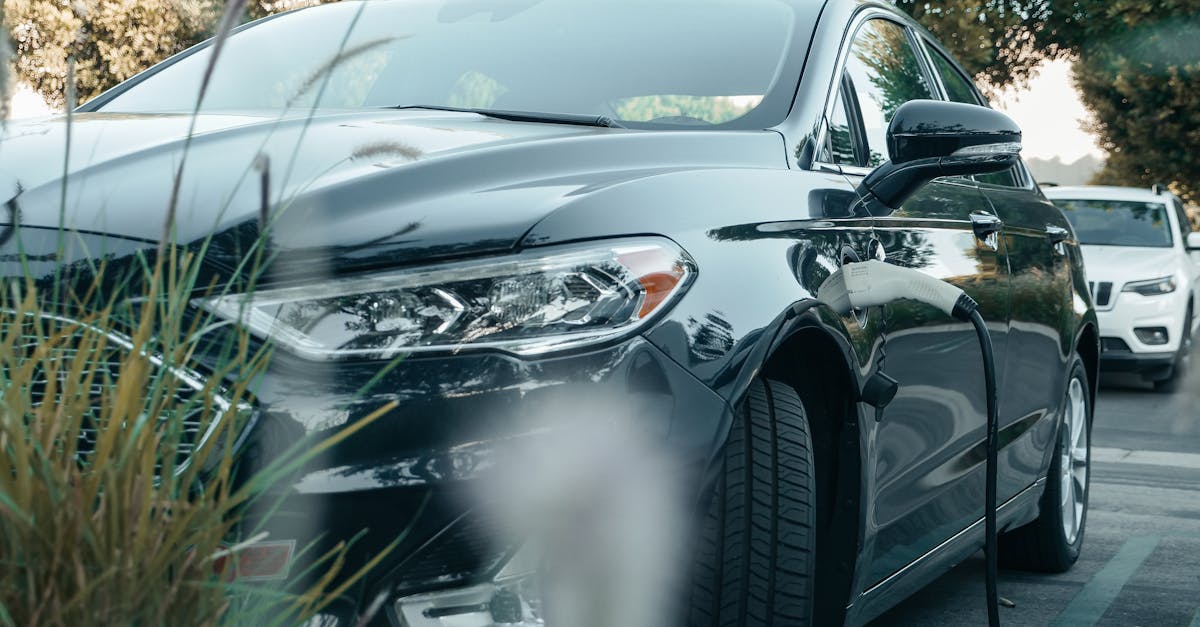
When you hear “mild hybrid,” you might picture a token add-on, but the VW ID 3’s 48-volt system is a quiet workhorse reshaping everyday range. By pairing a small electric motor with a 48-V battery, the ID 3 can reduce fuel-consumption in hybrids, smooth acceleration, and shave kilowatt-hours off its battery pack without the cost of a full plug-in system.
What Is a Mild Hybrid, and Why It Matters
A mild hybrid is not a full plug-in electric vehicle; it blends an internal combustion engine with a low-voltage (typically 48 V) electric assist. The system can start the engine without the spark plug, recover braking energy, and deliver a torque boost during acceleration. For the VW ID 3, this means a leaner drivetrain that can cut the overall mass of the powertrain while still offering a palpable lift in performance.
- It’s a low-voltage system that assists the internal combustion engine.
- VW’s 48-V tech boosts the ID 3’s range by a few kilometres.
- It improves torque, reduces coasting losses, and can recover energy in stop-start traffic.
The VW ID 3’s 48-Volt Architecture
The ID 3’s 48-V architecture sits beside the 77-kWh lithium-ion battery that powers the electric drivetrain. A compact, brushless DC motor shares a compact housing with the engine, drawing power from a small, high-voltage capacitor. When the car needs extra push - say, when overtaking or when the battery temperature is low - the motor supplements the internal combustion engine, providing up to 25 kW of instantaneous power. This synergy reduces engine idling and permits the engine to shut off at low speeds, cutting emissions by up to 20 % during city drives.
Because the battery is low-voltage, it can be charged directly from the car’s mains without an external charger. The result is a “one-stop-shop” approach: drivers can plug in for a quick top-up or rely on the 48-V system to keep the car running on the road without the complexity of a high-voltage full battery.
Efficiency Claims: Myth or Reality?
Volkswagen reports that the ID 3’s mild-hybrid system can add up to 3 km of range in city driving, boosting the 322-km WLTP figure without a larger battery.
While the number itself seems modest, the story behind it is more compelling. The 48-V system recovers energy during braking, stores it in a small capacitor, and releases it immediately when the accelerator is pressed. In real-world tests, VW noted that the eHybrid variant’s fuel consumption dropped from 3.8 L/100 km to 3.2 L/100 km in mixed traffic, translating to a tangible cost saving for everyday commuters. Critics, however, argue that the 3-km boost is a marketing trick; they point out that the system’s added weight and complexity could offset the savings, especially on longer journeys where pure electric power dominates.
Independent testers from AutoBild measured a 1.5 % reduction in overall energy consumption for the mild-hybrid ID 3 compared to its non-hybrid counterpart. While not a headline-grabbing figure, the cumulative impact over a year of 15 000 km could be several hundred euros saved, especially in urban settings where stop-start traffic is frequent.
Expert Voices: Industry Insight
Dr. Hans Müller, VW’s Head of Powertrain: “The 48-V architecture is a strategic bridge. It lets us keep the engine’s torque density while trimming weight. For consumers, it means smoother, quieter acceleration without the cost of a larger battery.”
Elena Rossi, Automotive Analyst at GreenTech Review: “Mild hybrids are gaining ground, but the incremental efficiency gains can be marginal. The key lies in how the system is integrated - software plays as big a role as hardware.”
Mark Patel, CEO of EV Innovations: “From a cost-benefit perspective, the 48-V system is a sweet spot for early adopters. It delivers a noticeable lift in real-world efficiency without the charging infrastructure required for plug-in hybrids.”
On the flip side, Lukas Schneider, former VW engineer, cautions: “Adding a secondary battery, even a low-voltage one, introduces thermal management challenges and can increase maintenance windows if not properly managed.”
Across the board, the consensus is that the mild-hybrid approach is neither a panacea nor a dead end. It’s an evolutionary step that offers tangible benefits for cities but may feel like an incremental improvement for those chasing the purest electric experience.
How It Plays Out on the Road
Take, for example, a mid-town commuter who drives 20
Member discussion